
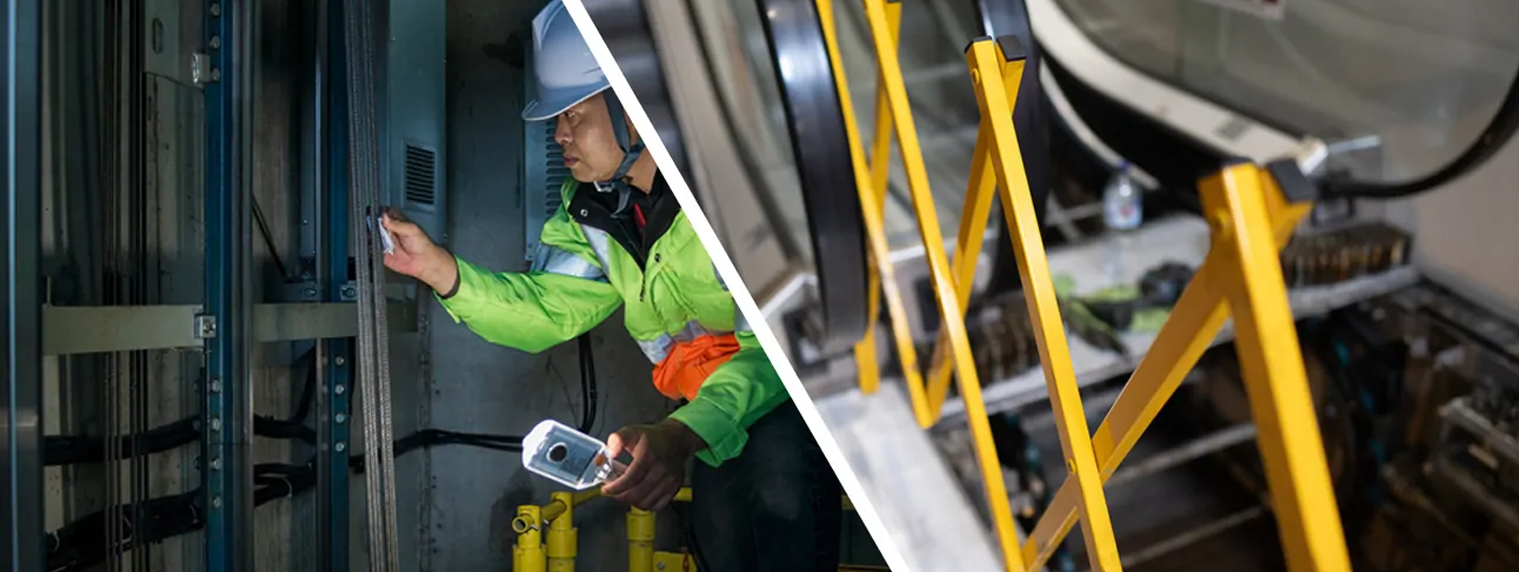
Hospital elevator maintenance services are tailored to ensure that elevators in healthcare settings remain reliable, safe, and efficient. Since these elevators are crucial for transporting patients, staff, and medical equipment, maintenance is vital to ensure continuous, smooth, and safe operation. Here’s a detailed overview of what hospital elevator maintenance services typically include: ### **1. Routine Maintenance** - **Scheduled Inspections:** Regular checks on all elevator components, including mechanical systems (gears, pulleys), electrical systems (wiring, controls), and safety features (brakes, emergency alarms).- **Lubrication and Cleaning:** Routine lubrication of moving parts to reduce friction and prevent wear, and cleaning of components such as motors and control panels to ensure optimal performance. ### **2. Safety and Compliance Checks** - **Safety Inspections:** Ensuring that all safety features, such as emergency brakes, alarms, and communication systems, are functioning correctly.- **Regulatory Compliance:** Checking that the elevator complies with relevant health and safety regulations, such as those specified by the Americans with Disabilities Act (ADA) or local building codes. ### **3. Emergency Preparedness** - **Backup Systems:** Ensuring backup power supplies and emergency systems are in place and functioning, to handle power outages or other emergencies.- **Emergency Procedures:** Regular testing of emergency protocols and communication systems to ensure they are effective and up to date. ### **4. Repairs and Troubleshooting** - **Minor Repairs:** Addressing minor issues before they escalate into major problems, such as fixing minor mechanical or electrical faults.- **Troubleshooting:** Diagnosing and resolving issues that arise between routine maintenance checks, including addressing unusual noises, vibrations, or operational problems. ### **5. System Upgrades and Modernization** - **Performance Enhancements:** Recommending and implementing upgrades to improve elevator performance, such as installing energy-efficient components or advanced control systems.- **Technology Integration:** Upgrading to modern technologies, including digital monitoring systems, touchless controls, or advanced diagnostic tools. ### **6. Documentation and Reporting** - **Service Records:** Maintaining detailed records of all maintenance activities, inspections, and repairs, which are essential for tracking the condition of the elevator and planning future maintenance.- **Compliance Reports:** Providing documentation to demonstrate adherence to safety standards and regulations, which can be important for audits or inspections. ### **7. Customized Maintenance Plans** - **Tailored Services:** Developing maintenance plans specifically designed to meet the unique needs of the hospital, including considerations for the type and usage of the elevators.- **Flexible Scheduling:** Offering maintenance schedules that minimize disruption to hospital operations, such as scheduling work during off-peak hours. ### **8. Staff Training and Support** - **Training Programs:** Providing training for hospital staff on basic elevator operations, emergency procedures, and troubleshooting minor issues.- **Consultation Services:** Offering expert advice on maintaining elevator systems and optimizing their performance. ### **9. Preventive Measures** - **Predictive Maintenance:** Utilizing data and technology to predict potential issues before they occur, based on usage patterns and wear-and-tear data.- **Condition Monitoring:** Implementing systems to monitor the condition of critical components in real time, allowing for proactive maintenance.


.jpg)